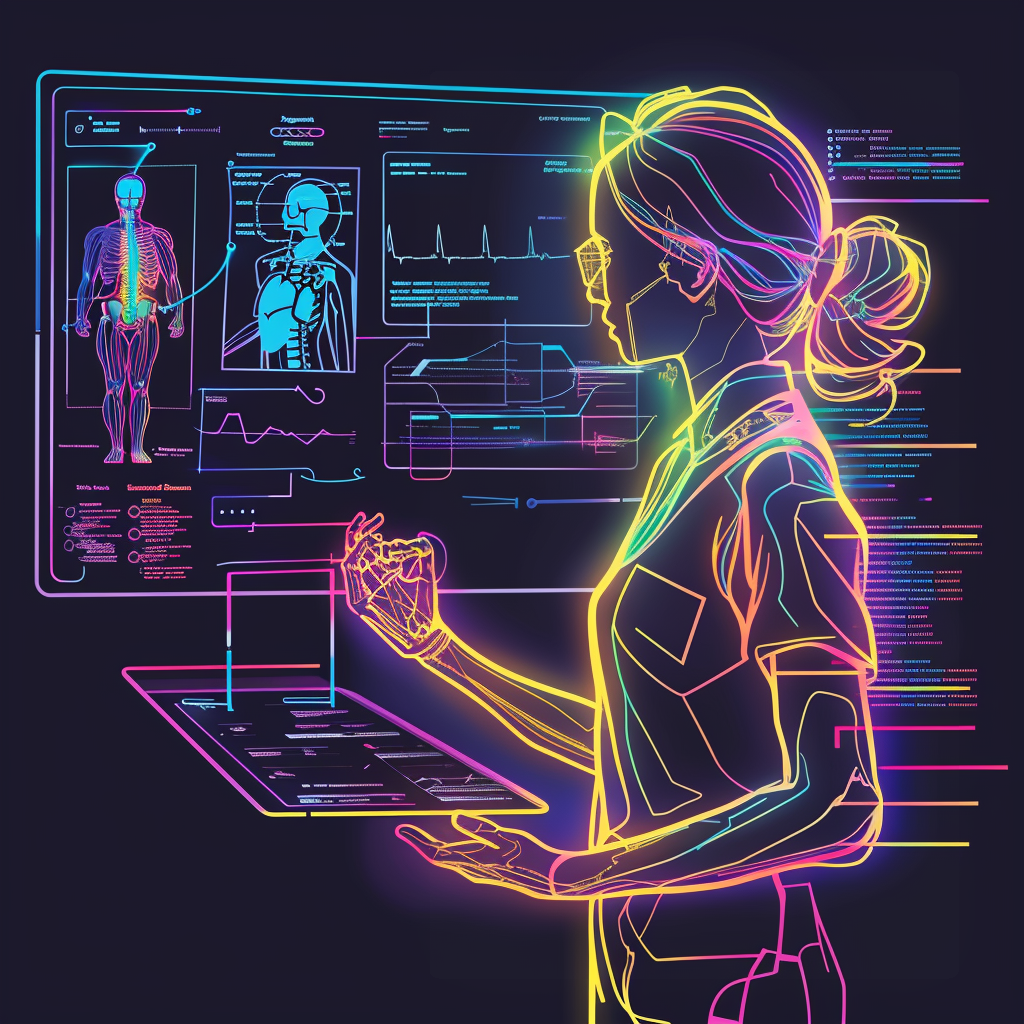
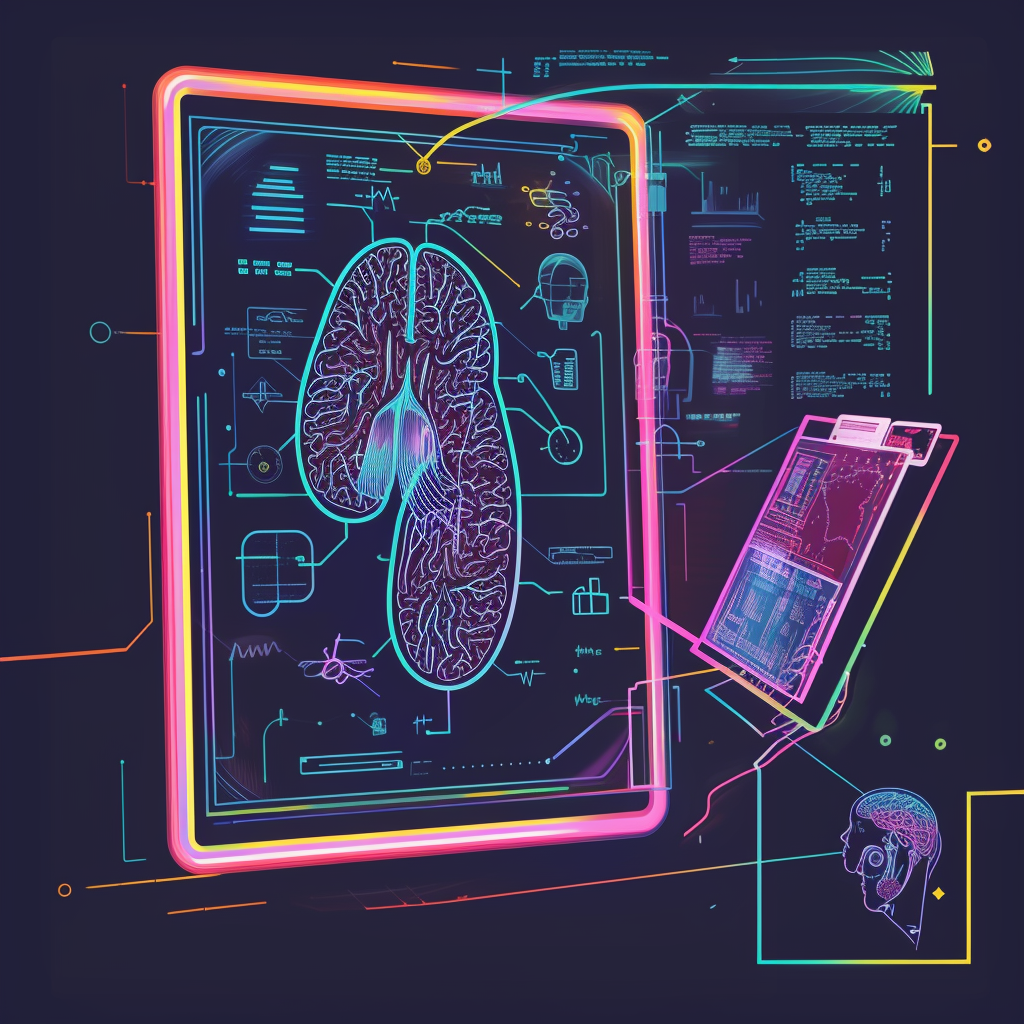
What Is AI-Based Voice Health Detection?
AI voice health detection refers to the use of machine learning systems that analyze acoustic features of the human voice to identify patterns associated with early vocal dysfunction. These systems evaluate subtle changes in sound production that may not yet be perceptible to listeners.
The goal is early signal detection, not diagnosis—helping identify when further clinical evaluation may be appropriate.
Why Early Detection of Voice Dysfunction Matters
Voice disorders often develop gradually. By the time symptoms are obvious—hoarseness, fatigue, reduced range—underlying strain or dysfunction may already be well established.
Early detection supports:
- Timely referral for voice evaluation
- Prevention of chronic vocal injury
- Reduced recovery time
- Better long-term voice outcomes
Earlier awareness allows for intervention before compensatory patterns become ingrained.
What Are Acoustic Biomarkers?
Acoustic biomarkers are measurable features of voice production that reflect vocal fold function, respiratory support, and neuromuscular coordination.
Commonly analyzed acoustic features include:
- Fundamental frequency stability
- Jitter and shimmer
- Harmonics-to-noise ratio
- Speech intensity variability
- Phonation timing and consistency
Changes in these markers may indicate early stress or inefficiency in the vocal system.
How AI Identifies Subtle Voice Changes
AI systems analyze large datasets of voice samples to learn patterns associated with healthy and atypical vocal function. Once trained, these models can detect deviations from expected acoustic profiles.
AI excels at:
- Identifying patterns too subtle for human perception
- Monitoring changes over time
- Comparing voice output across contexts
- Flagging deviations that may warrant attention
This makes AI well-suited for early screening and longitudinal monitoring.
Applications of AI in Voice Health Monitoring
Emerging applications of AI voice analysis include:
- Screening for early vocal strain in high-voice-use professions
- Monitoring recovery progress after voice therapy or injury
- Supporting telehealth-based voice assessments
- Identifying risk patterns in pediatric and adult populations
These tools may increase access to early voice care across settings.
Accuracy, Context, and Limitations
Voice production is influenced by many factors, including hydration, fatigue, emotion, illness, and environment. AI systems must account for this variability to avoid misinterpretation.
Important limitations include:
- Inability to assess anatomy or tissue health directly
- Sensitivity to recording quality and background noise
- Risk of false positives without clinical context
- Limited generalizability across languages and dialects
AI findings require human interpretation to be clinically meaningful.
What This Means for Patients
For patients, AI-based voice monitoring may offer earlier insight into vocal health—especially for individuals who rely heavily on their voice.
Potential benefits include:
- Earlier awareness of vocal strain
- Reduced progression to chronic dysfunction
- More informed conversations with providers
- Support for proactive voice care
AI tools may serve as an early warning system, not a diagnosis.
What This Means for Clinicians
For clinicians, AI voice detection tools may enhance—but not replace—clinical evaluation. Used responsibly, they can:
- Support screening and triage
- Track objective changes over time
- Complement perceptual and instrumental assessments
- Improve efficiency in high-volume settings
Clinical judgment remains essential for diagnosis and treatment planning.
Ethical, Privacy, and Data Considerations
Voice data is personally identifiable and must be handled with care. Responsible AI voice health tools must prioritize:
- Informed consent
- Secure data storage and processing
- Transparency in model use and limitations
- Clear boundaries around clinical decision-making
Trust and safety are foundational to adoption.
The Role of Human Expertise
Voice health reflects complex interactions between respiration, phonation, articulation, and nervous system regulation. Human expertise is essential for:
- Interpreting AI-flagged findings
- Assessing vocal technique and behavior
- Evaluating contributing airway or mouth breathing factors
- Designing individualized intervention plans
AI supports clinical care—it does not replace it.
The Future of AI in Voice Health
As research advances, AI voice analysis may support:
- Earlier detection of subtle dysfunction
- Personalized monitoring for voice users
- Integration with teletherapy speech therapy and wearable platforms
- Preventive voice care strategies
Its value will depend on careful validation and ethical integration into clinical workflows.
Frequently Asked Questions
Can AI detect voice problems before symptoms appear?
It may identify early acoustic changes that precede noticeable symptoms.
Does AI replace a voice evaluation?
No. AI tools support screening and monitoring but do not diagnose.
Is AI voice analysis accurate?
Accuracy depends on data quality, model design, and clinical oversight.
Who might benefit most from early voice screening?
Teachers, singers, public speakers, children, and individuals with high vocal demands.
Final Thoughts
AI-based voice health detection offers promising opportunities to identify early signs of vocal dysfunction through acoustic biomarkers. When paired with clinical expertise and ethical safeguards, these tools may help shift voice care toward earlier intervention and prevention—supporting healthier, more resilient voice use across the lifespan.